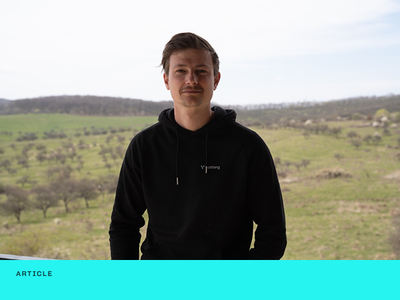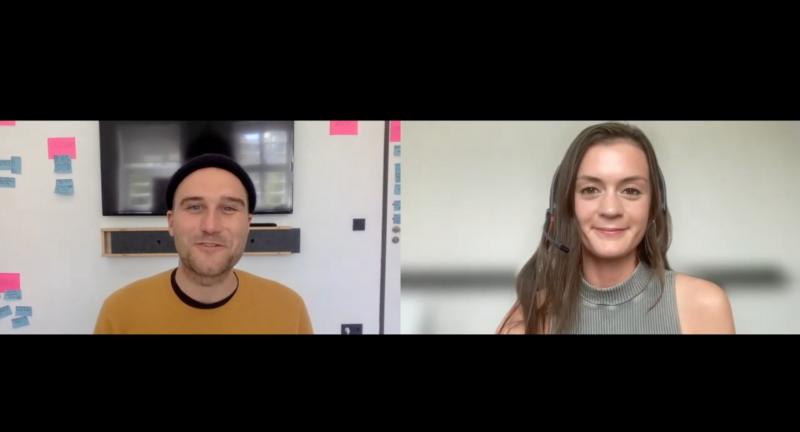
Philippe Singer, Co-founder of Leaders for Climate Action (LFCA), explains how LFCA aims to turn the digital industry into a climate-neutral or even climate-positive pioneer while driving broader systemic change.
Who is Philippe and what is LFCA doing?
LFCA was founded about three years ago as a nonprofit to accelerate real climate action in the digital and tech sector. Philippe and his co-founders were frustrated that many in tech were talking about climate but not acting, often deflecting responsibility by saying other industries were worse. LFCA’s core belief is that the digital industry can be the first to operate climate neutral or climate positive, while still growing and building healthy organizations.
LFCA’s approach has two main angles:
- Sphere of control:
They directly engage decision-makers (founders, partners, managers, VCs) and ask for clear commitments to measure and reduce their company’s carbon footprint. This has led more than 1,700 organizations to start their climate journey.
- Sphere of influence:
LFCA pushes companies to go beyond their own operations (office energy, travel, commuting) and engage all stakeholders—employees, customers, investors, partners—to take climate action as well.
Examples of working in the sphere of influence
A key example comes from the venture capital ecosystem in Germany. Together with VCs like Earlybird (Fabian Heilemann), Holtzbrinck Ventures (Martin Weber), and Cherry Ventures, LFCA helped create a sustainability clause for term sheets and shareholder agreements. This clause requires startups to:
- Measure and reduce their carbon emissions from day one.
- Embed climate and ESG considerations deeply into company culture.
LFCA then approached 30 major German VCs; within three months, 25 had agreed to include this clause in their contracts, using their leverage over portfolio companies to drive climate action.
LFCA’s envisioned role in 2030
LFCA started in Germany, expanded across Europe, and now has chapters in Turkey, Southeast Asia, and Australia. By 2030, Philippe envisions LFCA as a global community where collaboration on climate outweighs competition. The goal is for the digital industry not only to cut its own emissions but also to become a powerful driver helping other industries decarbonize faster and more effectively.
The TFCA campaign: origins and learnings
The latest TFCA (Time for Climate Action) campaign is rooted in the sphere-of-influence idea. Around 1–2 years ago, LFCA and Spotify explored what large digital platforms can do beyond their own operational footprint. The conclusion: engage billions of users.
LFCA built an online tool that enables individuals to:
- Measure their personal carbon footprint.
- Switch to greener energy providers.
- Engage in climate advocacy with policymakers.
- Change their bank accounts to more sustainable options, among other actions.
Over 400 companies integrated this campaign into their products. On Spotify, for example, users could access a climate action app with best practices and a link to LFCA’s tool. This campaign reached 24 million people, prompting them to take concrete climate actions—an example of how digital companies can leverage their reach for climate impact.
Good starting points for companies becoming more sustainable
Philippe suggests a clear, pragmatic sequence:
- Set the priority and assign ownership
- Ensure one person at the C-level/VC level is responsible.
- Assign one person at the operational level to drive implementation.
The first step is committing to act, even before knowing exactly how.
- Measure your footprint—efficiently
Especially for digital companies, measurement should not become a never-ending project. The main emission drivers are often:
- Server and cloud infrastructure.
- Business travel.
- Office energy consumption.
- Employee commuting.
- Focus on sphere of influence and risk/opportunity
Once the footprint is understood, shift quickly to:
- Identifying where the biggest potential for reduction and positive impact lies.
- Understanding climate-related risks and opportunities across stakeholders.
- Prioritize action over endless analysis
Philippe criticizes the common pattern of over-investing time and money in measurement, leaving too little for actual implementation. The emphasis should be on acting once there is a solid enough understanding of the footprint.
Key steps toward real systemic change
Systemic change doesn’t come from a single silver bullet. Systems shift when many parameters and actors change simultaneously.
LFCA’s strategy for systemic change includes:
- Mobilizing companies as a political signal:
Using the collective voice of 1,700+ digital companies to tell policymakers:
- We want you to do more on climate.
- We support measures like global carbon pricing/taxes.
- We want it to be easier to build renewable energy.
This reduces the perceived political risk of ambitious climate policies.
- Engaging multiple levers:
Systemic change requires pressure and engagement from:
- Companies.
- Policymakers.
- End customers.
- Employees.
Philippe also critiques traditional capitalism: negative externalities (e.g., pollution) are not properly priced in, allowing harmful business models to thrive without paying for their damage.
He advocates for impact capitalism, where:
- Positive forces of capitalism (innovation, competition, efficiency) are preserved.
- Impact becomes a core KPI and north star for decisions.
Impact VCs and impact-driven companies already operate this way, and Philippe hopes this mindset will spread to mainstream VCs and tech companies, so decisions are consistently guided by impact metrics.
Dealing with climate-related stress and anxiety
For Philippe, climate engagement itself is a key coping mechanism. What calms him is knowing he is genuinely trying his best to be part of the solution.
Summary of the Interview with LFCA Co-founder Philippe Singer
Who is Philippe Singer and what is LFCA?
Philippe Singer is the Co-founder of Leaders for Climate Action (LFCA), a non-profit founded about three years ago to accelerate climate action in the digital and tech industry. LFCA emerged from frustration that many in tech were talking about climate but not acting, often deflecting responsibility by comparing themselves to more polluting industries. LFCA’s core belief is that the digital industry can become the first to operate climate neutral or even climate positive, while still driving growth and building healthy organizations.
LFCA works along two main angles:
- Sphere of control: Getting companies to measure and reduce their own carbon footprints (offices, energy, travel, servers, commuting, etc.). LFCA has already motivated more than 1,700 organizations to start their climate journeys.
- Sphere of influence: Encouraging companies to go beyond their own operations and activate all stakeholders—employees, customers, suppliers, investors, and the broader ecosystem—to take climate action.
Examples of LFCA’s Sphere of Influence Work
VC sustainability clauses:
LFCA helped initiate a community campaign in the venture capital ecosystem, starting mainly in Germany with VCs such as Earlybird (Fabian Heilemann), Holtzbrinck Ventures (Martin Weber), and Cherry Ventures. The idea: VCs have major leverage through their portfolio companies. Together they developed a sustainability clause to be included in term sheets and shareholder agreements, requiring startups to measure and reduce their carbon emissions from day one and embed climate and ESG considerations into their culture.
LFCA then approached 30 of the largest German VCs; within three months, 25 agreed to integrate this clause into their contracts. This demonstrates how a non-profit can catalyze systemic change by influencing powerful financial actors.
LFCA’s Role in 2030
By 2030, Philippe envisions LFCA as a global community where collaboration on climate outweighs competition. Having started in Germany and expanded to Europe, Turkey, Southeast Asia, and Australia, LFCA aims to:
- Unite digital companies worldwide around ambitious climate action.
- Ensure the digital industry not only reduces its own emissions but also becomes a key driver of decarbonization in other sectors.
The goal is a digital ecosystem that shares knowledge, tools, and best practices openly to accelerate global climate progress.
The TFCA Campaign: Origin and Learnings
The latest Time for Climate Action (TFCA) campaign grew directly from the sphere-of-influence mindset. Around 1–2 years ago, LFCA and Spotify explored what large digital platforms could do beyond their own operational footprint. The conclusion: they should mobilize their billions of users.
LFCA developed an online tool and campaign page enabling individuals to:
- Measure their personal carbon footprint.
- Switch to greener energy providers.
- Engage in policy advocacy.
- Change their bank accounts to more sustainable options.
Over 400 companies integrated this campaign into their products. On Spotify, for example, users encountered a climate action app with best practices and links to LFCA’s tools. This campaign reached 24 million people, prompting them to take concrete actions. For Philippe, this is a prime example of how digital companies can leverage their reach for climate impact.
Where Should Companies Start on Sustainability?
Philippe outlines a pragmatic starting path for companies, especially digital ones:
- Make it a priority and assign ownership
- Ensure one person at the C-level/VC level and one at the operational level is responsible for climate action.
- Commit first, even before knowing exactly how you’ll execute.
- Measure your footprint—efficiently
- Understand your current emissions and potential for reduction.
- For digital companies, the main drivers are usually:
- Server and cloud usage
- Business travel
- Office energy consumption
- Employee commuting
- Avoid over-investing time and money in endless measurement exercises.
- Shift focus quickly to action and influence
- After a basic assessment, prioritize actions over perfect data.
- Look at your sphere of influence: where are your biggest levers and risks across customers, suppliers, partners, and investors?
- Philippe criticizes the common pattern of companies spending too much on measurement and then having too little left for actual implementation.
Key Steps Toward Real Systemic Change
Philippe emphasizes that systemic change has no single silver bullet. Systems evolve when many parameters and actors shift simultaneously. LFCA’s theory of change is to start with companies and use them as leverage points:
- Companies → Politics: LFCA can present politicians with a united front: 1,700 digital companies asking for stronger climate policies, such as:
- Global carbon pricing or carbon taxes.
- Easier frameworks for building renewable energy.
This reduces the perceived political risk of ambitious climate regulation.
- Companies → Consumers & Employees:
Companies can influence customer behavior and employee expectations, normalizing climate-positive decisions.
Philippe also critiques traditional capitalism: negative externalities (e.g., emissions, environmental damage) are not properly priced in, allowing harmful business models to thrive without paying for their impacts.
He advocates for impact capitalism, where:
- The positive aspects of capitalism (innovation, efficiency, competition) are retained.
- Impact becomes a core KPI and north star in decision-making.
- Impact VCs and impact-driven companies already operate this way, and Philippe hopes this logic will spread to mainstream VCs and tech companies.
Systemic change, in his view, requires many organizations “pushing different buttons” simultaneously—policy, finance, culture, consumer behavior, and technology.
Coping with Climate-Related Stress and Anxiety
Philippe’s personal strategy for dealing with climate anxiety is active engagement:
- He finds calm in knowing he is genuinely trying his best to contribute to solutions through his work.
- He doesn’t think everyone must work full-time in climate, but encourages people who feel anxious to:
- Be proactive rather than passive.
- Consider volunteering.
- Reflect on whether to change jobs or adjust personal behavior.
The key is to transform anxiety into agency and action.
Reasons for Optimism
Philippe is not blindly optimistic, especially given the alarming climate data, but he sees meaningful reasons for hope:
- Clean tech and impact VCs are pushing innovation and new solutions.
- Many “normal” companies, not traditionally seen as climate-friendly, are actively trying to transform their business models into more sustainable ones.
He envisions a convergence where:
- Conventional companies become greener, and
- Green tech companies become more successful and mainstream.
These two movements meet in the middle, and while it’s uncertain which side will move faster, both are essential and mutually reinforcing. Working with numerous organizations that are sincerely trying their best gives him cautious optimism: the situation is serious, but we still have a chance.